-
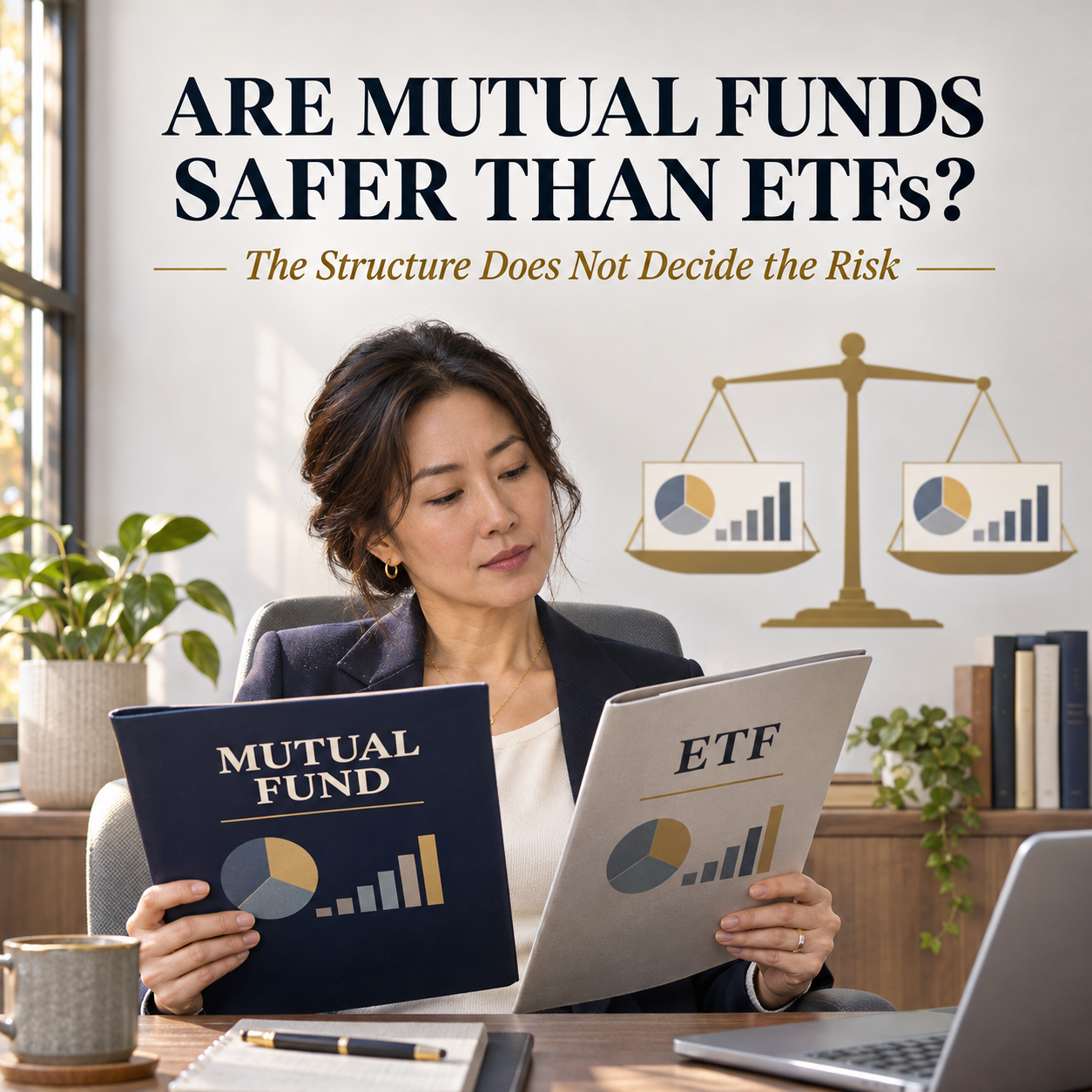
Are Mutual Funds Safer Than ETFs in Canada?
Share this articleAre mutual funds safer than ETFs in Canada? The short answer is no. Neither structure is automatically safer. The risk depends mainly on what the fund owns, how diversified it is and how you use it. A conservative bond mutual fund may be less volatile than a technology ETF. However, a broadly…
-
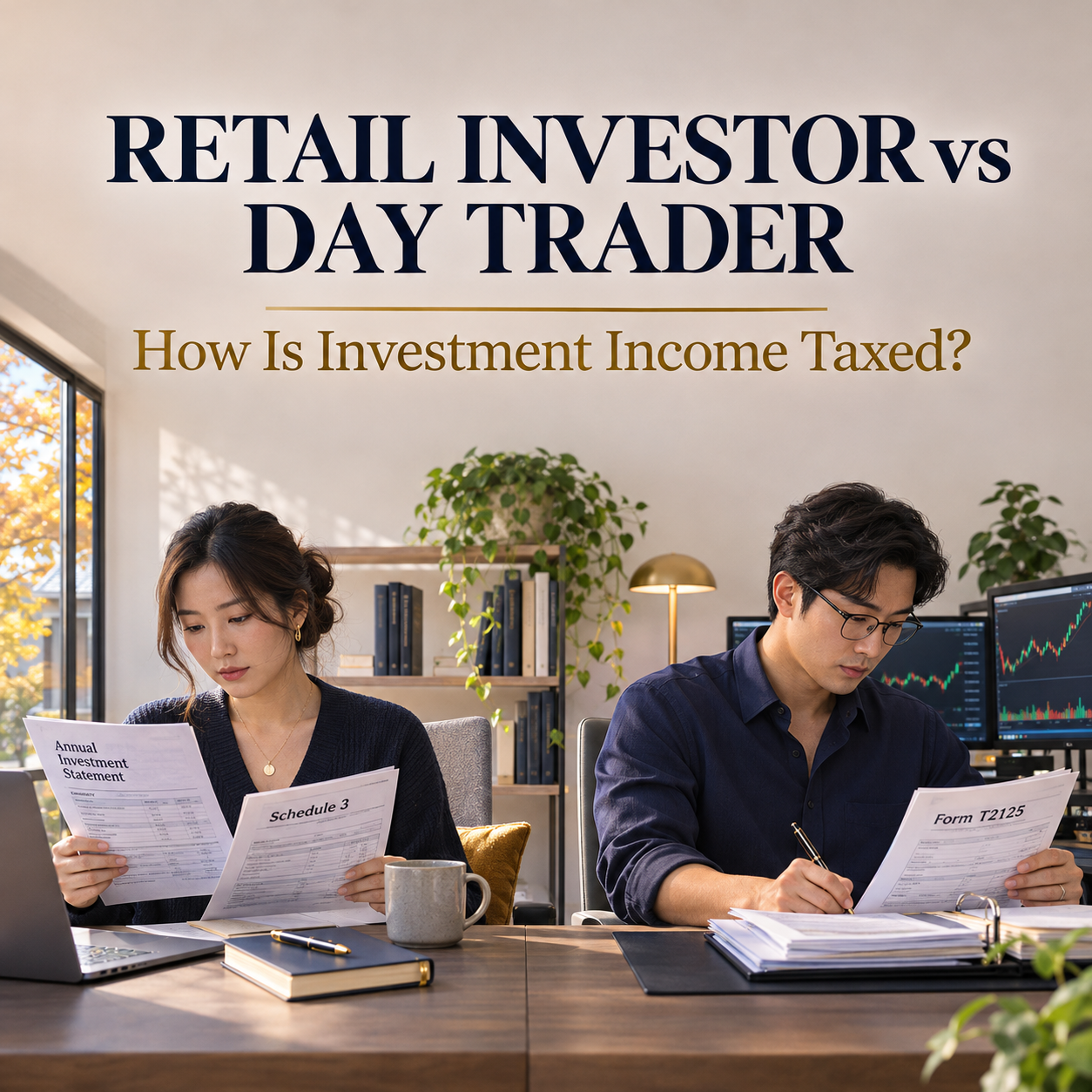
How Retail Investors and Day Traders File Taxes in Canada: Capital Gains vs. Business Income
Share this articleIf you sold stocks or ETFs at a profit, how should you report it on your Canadian tax return? First, ask whether your activity looks like investing or running a trading business. In Investor Tax Filing Canada, that question matters more than how much money you made. Two people can buy and…
-
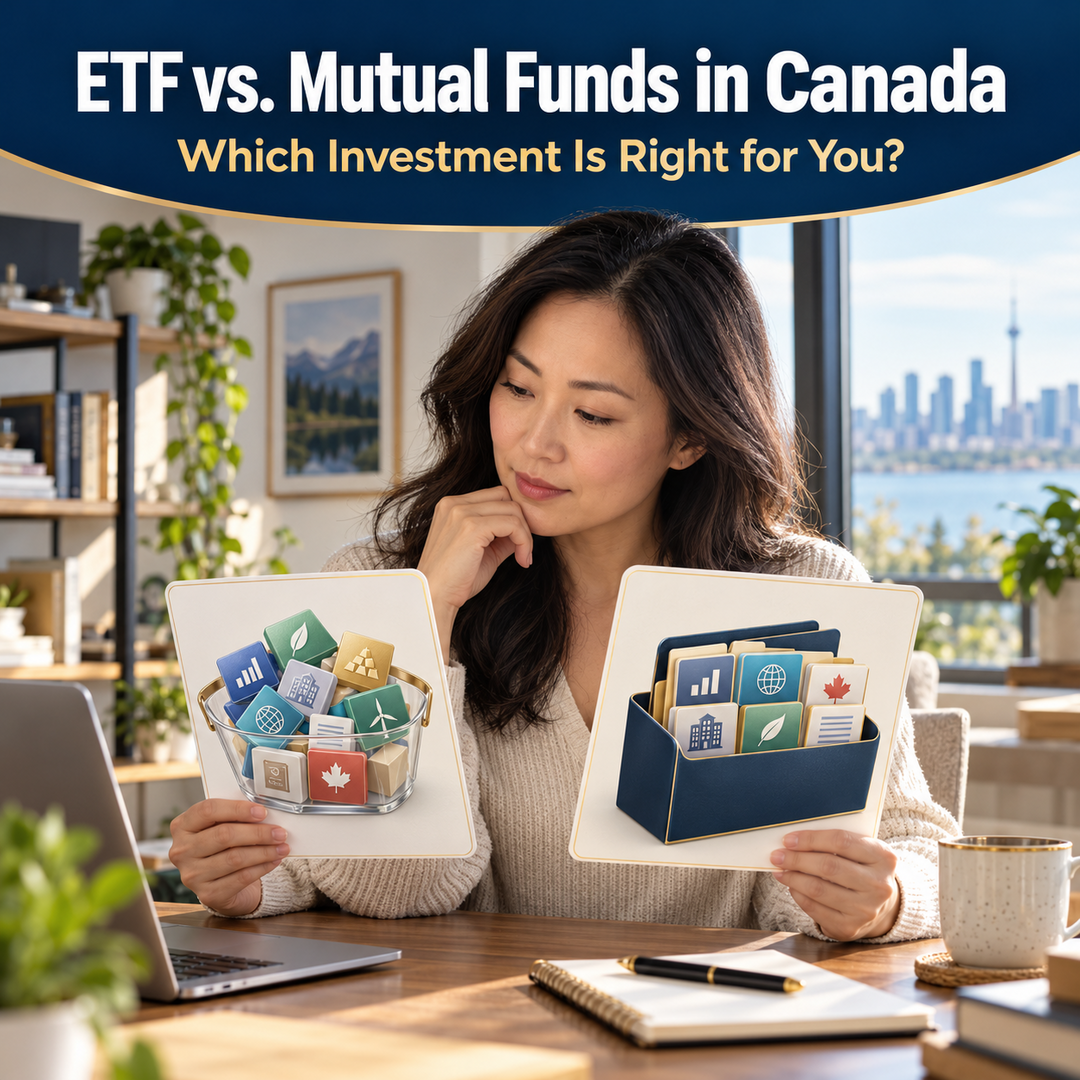
ETF vs. Mutual Funds: Which Investment Is Right for You in Canada?
Share this articleWhen comparing ETF vs. mutual funds in Canada, one question comes up more than almost any other: “Is an ETF better, or is a mutual fund better?” These days, ETFs are often promoted for their low costs. Mutual funds, meanwhile, may be presented as professionally managed investments that come with advice. That…
-

How to Buy Stocks and ETFs in Canada: From Opening an Account to Your First Order
Share this articleLearning how to buy stocks and ETFs in Canada starts with opening and funding an investment account. You then find the correct ticker symbol and place an order. On paper, the process sounds simple. The first time you open an order screen, however, you may see several unfamiliar choices. Should you use…
-
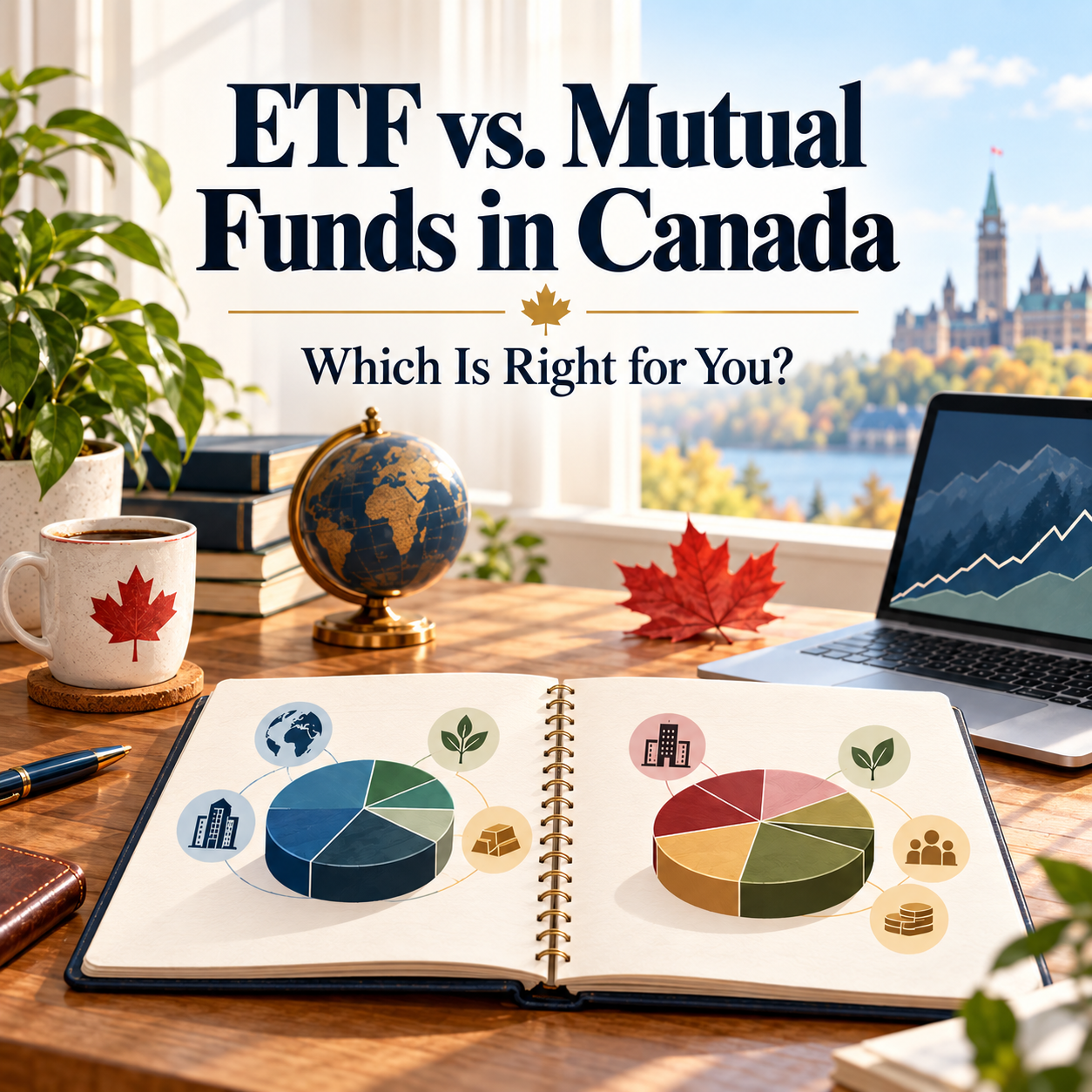
ETF vs. Mutual Funds in Canada: Which Is Right for You?
Share this articleWhen you start investing in Canada, it is easy to get caught up in the question: Should I buy an ETF or a mutual fund? There is no one answer that fits everyone. Both are investment funds that can hold a mix of stocks, bonds, or other assets. Either can be part…
-
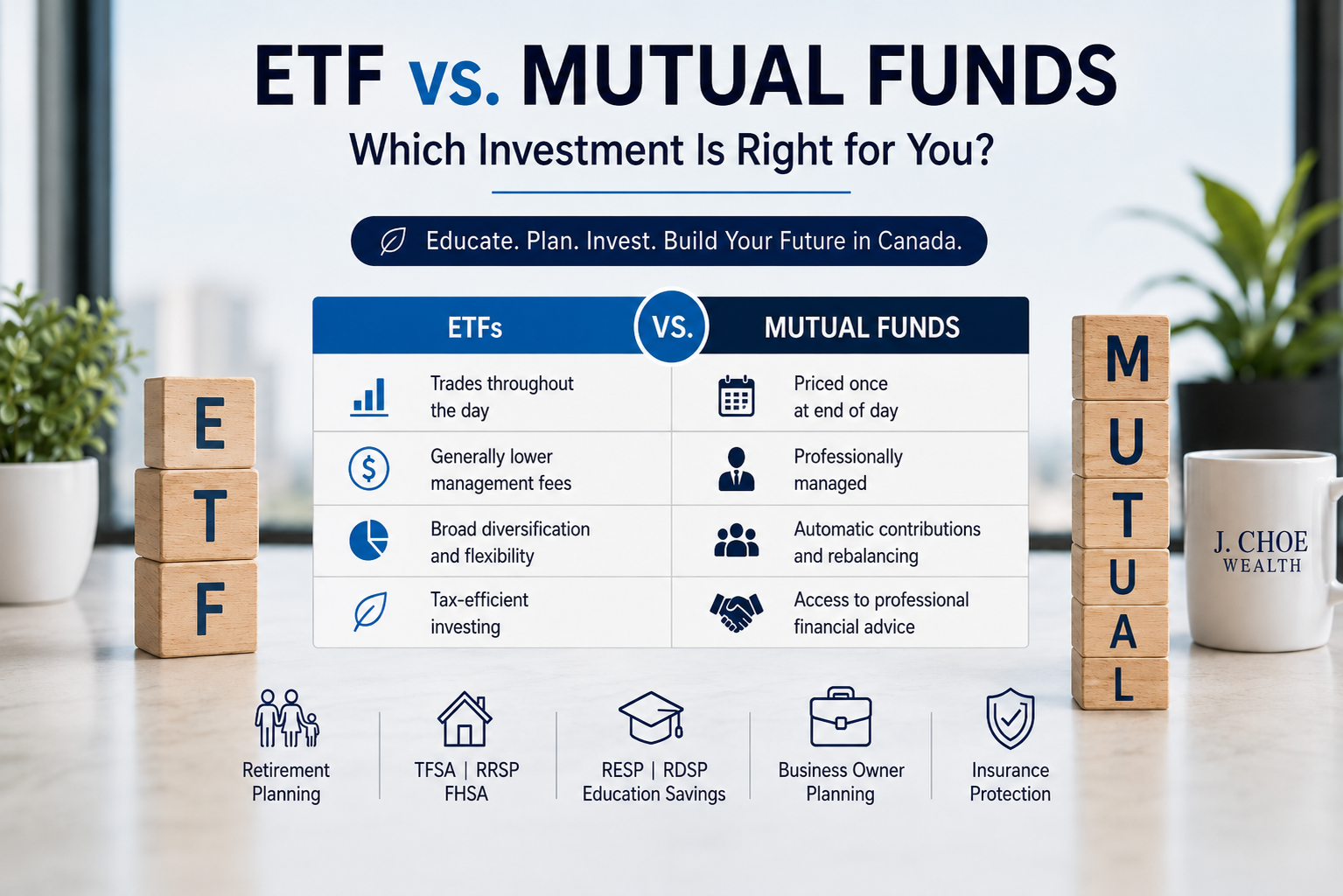
ETF vs. Mutual Funds in Canada: Which Investment Is Right for You?
Share this articleETF vs. Mutual Funds in Canada When Canadians begin investing, one of the first questions they often ask is: “Should I invest in ETFs or mutual funds?” The answer isn’t as simple as saying one is better than the other. Both investment options can play an important role in building long-term wealth.…