-

Are Mutual Funds Safer Than ETFs in Canada?
Share this articleAre mutual funds safer than ETFs in Canada? The short answer is no. Neither structure is automatically safer. The risk depends mainly on what the fund owns, how diversified it is and how you use it. A conservative bond mutual fund may be less volatile than a technology ETF. However, a broadly…
-

How Retail Investors and Day Traders File Taxes in Canada: Capital Gains vs. Business Income
Share this articleIf you sold stocks or ETFs at a profit, how should you report it on your Canadian tax return? First, ask whether your activity looks like investing or running a trading business. In Investor Tax Filing Canada, that question matters more than how much money you made. Two people can buy and…
-

Self-Employed Vehicle Expenses in Canada: How Much Can You Deduct?
Share this articleIf you use your car to meet clients, pick up supplies or deliver orders, you may be able to claim self-employed vehicle expenses on Form T2125. However, using a vehicle for business does not mean every gas, insurance and repair bill is fully deductible. When the same vehicle is used for both…
-
Self-Employed Business Expenses in Canada: What Can You Deduct?
Share this articleRunning a business costs money. You may pay for a cellphone, software, advertising, supplies and travel. You might drive to meet clients or use part of your home as an office. Does that mean every business-related purchase is deductible? Not necessarily. In Canada, self-employed business expenses must have a reasonable connection to…
-
Self-Employed Tax Return in Canada: How to Complete Form T2125
Share this articleYou may have business income even if you never registered a business name. A self-employed tax return is different from a typical employee return. An employee often begins with a T4 slip. A sole proprietor must organize business income and expenses before completing the return. This applies to freelancers, gig workers, online…
-
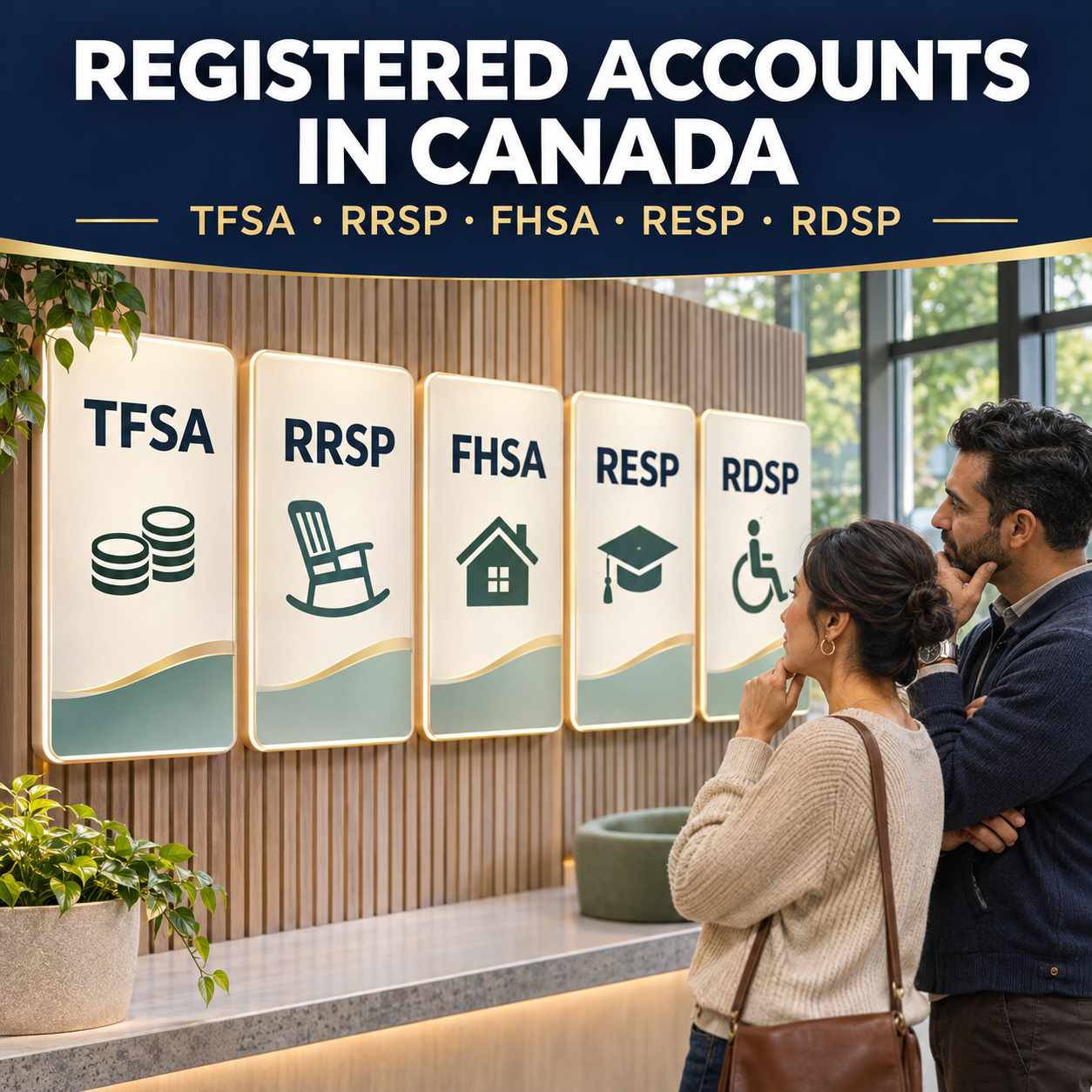
Registered Accounts in Canada: RESP, RDSP, TFSA, RRSP and FHSA Explained
Share this articleRegistered accounts in Canada can make saving and investing more tax-efficient. However, the names can quickly become confusing. A TFSA offers tax-free withdrawals. An RRSP may provide a tax deduction today, but withdrawals are generally taxable later. An FHSA combines features of both accounts for an eligible first-time home buyer. RESP and…
-

FHSA Canada: A Beginner’s Guide for First-Time Home Buyers
Share this articleAn FHSA Canada account can help an eligible first-time home buyer save for a home while receiving an income-tax deduction. The investments can grow inside the account, and a qualifying withdrawal for a home is tax-free. That combination sounds simple. However, the rules for opening an account, carrying contribution room forward and…
-
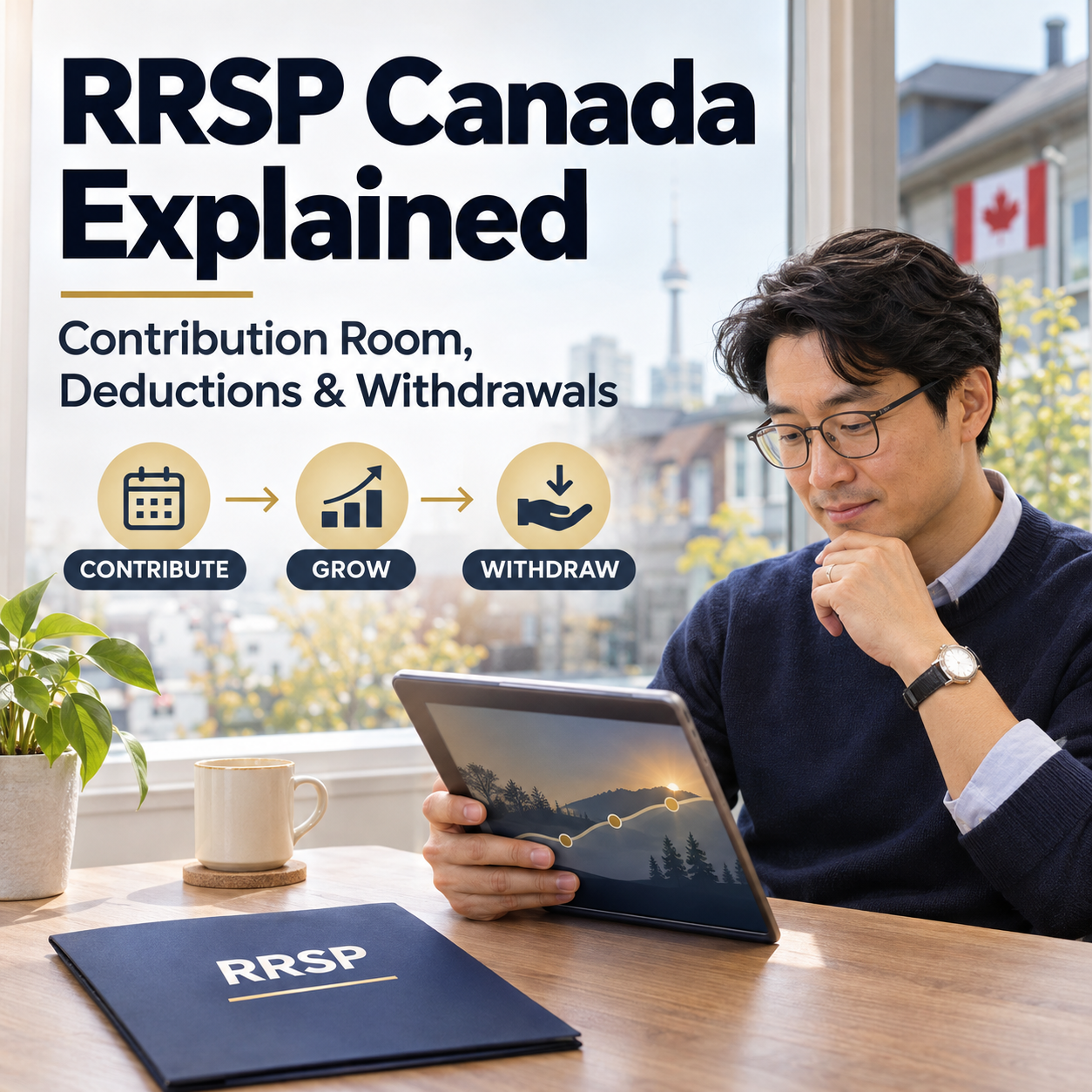
RRSP Canada: Tax Deductions, Contribution Room and Withdrawals Explained
Share this articleRRSP Canada rules can feel simple at first: contribute money, claim a deduction and save for retirement. In practice, the account has several moving parts. Your contribution room is personal, the deduction does not always have to be claimed immediately, and most withdrawals are taxable. That does not make an RRSP overly…
-
TFSA Canada: Contribution Room, Withdrawals and Investing Explained
Share this articleTFSA Canada rules can look simple at first. You contribute money, invest it and withdraw it without paying Canadian income tax. However, many costly mistakes happen because people misunderstand contribution room or replace a withdrawal too early. A Tax-Free Savings Account (TFSA) is also more than a savings account. Depending on the…
-

RDSP Canada: A Beginner’s Guide to Grants, Bonds and Withdrawals
Share this articleRDSP Canada rules can look complicated at first. However, the basic purpose is simple. A Registered Disability Savings Plan helps a person who qualifies for the Disability Tax Credit build long-term financial security. The account can hold personal contributions, government grants, government bonds and investment growth. Some families may receive more from…